
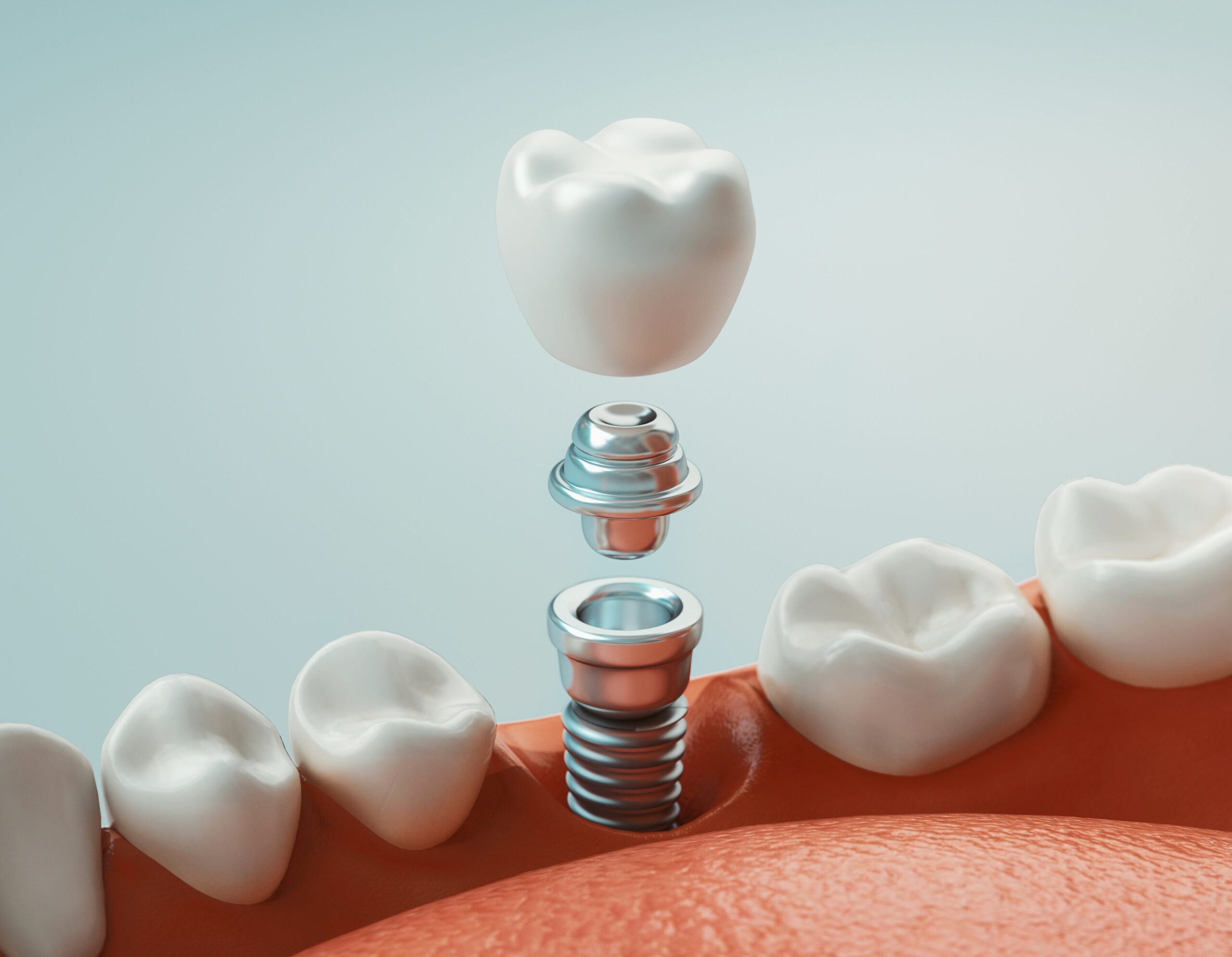
 Dental implants require consistent care practices to maintain their function and longevity. While the titanium posts themselves resist decay, the surrounding gum tissue and bone remain vulnerable to bacterial infections. Proper daily maintenance and regular professional monitoring protect your investment and prevent complications that compromise implant stability.
At Elite Dental Aesthetics, we perform implant procedures in our Reno office and provide comprehensive aftercare guidance. Dr. Travis Adams combines his oral surgery training from military service with advanced implant dentistry techniques to deliver restorations with a 95 percent success rate. Our commitment to quality care extends beyond placement, ensuring you understand the maintenance requirements for lifelong implant health.
Daily Cleaning Prevents Peri-Implantitis
Peri-implantitis describes inflammation and infection affecting tissues around dental implants. Bacterial plaque accumulation triggers this condition, similar to how gum disease develops around natural teeth. The infection destroys supporting bone, eventually causing implant failure if left untreated. Daily cleaning removes these bacteria before they establish colonies.
Brush your implant restoration twice daily using a soft-bristle toothbrush. Apply gentle pressure with circular motions around the crown, focusing on the area where the restoration meets your gum line. This junction collects food particles and bacteria. Electric toothbrushes with pressure sensors prevent excessive force that irritates tissues.
Flossing remains essential despite implants replacing natural tooth roots. Unwaxed floss or specialized implant floss cleans between your restoration and adjacent teeth. Thread the floss carefully around the implant crown, moving it gently up and down against both sides. Water flossers provide effective alternatives, particularly for patients with limited manual dexterity or multiple implants.
Specialized Tools Enhance Cleaning Effectiveness
Interdental brushes reach areas standard floss cannot access, especially around All-on-4 implants supporting full arch restorations. These small brushes slide between the prosthetic and gum tissue, removing debris from hard-to-reach spaces. Select brush sizes matching your gaps for optimal cleaning without tissue damage.
Antimicrobial mouth rinses reduce bacterial populations between brushing sessions. Choose alcohol-free formulations to avoid drying oral tissues. Rinse for 30 to 60 seconds after brushing and flossing. These rinses supplement but never replace mechanical cleaning through brushing and flossing. Some patients benefit from oral irrigators that deliver pulsating water streams. These devices flush bacteria and food particles from around implant crowns and beneath denture bars. Position the tip at a 90-degree angle to your gum line, using medium pressure settings to avoid tissue trauma.
Professional Maintenance Protects Long-Term Investment
Schedule professional cleanings every three to six months, depending on your oral health status and implant complexity. Patients with a history of gum disease or those who smoke require more frequent monitoring. Our hygienists use specialized instruments designed for implant surfaces, preventing scratches that harbor bacteria.
Professional cleanings remove calculus buildup that home care cannot eliminate. Calculus forms when plaque mineralizes on implant surfaces and surrounding natural teeth. This hardened deposit irritates gum tissue and provides rough surfaces for additional bacterial colonization. Only professional scaling removes these deposits safely.
During maintenance visits, we measure pocket depths around your implants using periodontal probes. Healthy tissue maintains shallow depths of 1 to 3 millimeters. Increased depths indicate inflammation or bone loss requiring intervention. Early detection allows conservative treatment before significant damage occurs.
Monitoring Prevents Major Complications
X-rays taken annually or biannually reveal bone levels around implant posts. We compare these images to previous radiographs, tracking any bone loss over time. Stable bone levels indicate successful osseointegration and proper load distribution. Decreasing bone density signals problems requiring immediate attention.
We evaluate your bite during maintenance appointments. Improper force distribution stresses implant components and the surrounding bone. High spots on implant crowns receive excessive pressure during chewing, potentially loosening the restoration or damaging the abutment connection. Minor adjustments prevent these complications. Your restoration undergoes visual inspection for cracks, chips, or wear patterns. Porcelain crowns occasionally develop small fractures from normal chewing forces. Early repair prevents complete restoration failure. We also verify that the screws securing your crown to the abutment remain tight.
Diet and Lifestyle Habits That Support Implant Longevity
What you eat and how you use your teeth day to day plays a real role in how long an implant lasts. Very hard foods like ice, hard candy, and unpopped popcorn kernels can chip the crown or place excessive force on the abutment connection, and using your teeth to open packaging or bite fingernails carries the same risk. Tobacco use is one of the most significant modifiable risk factors for implant failure, since smoking reduces blood flow to the gum tissue and slows healing around the implant site. Patients who grind or clench their teeth at night benefit from a custom nightguard, which distributes bite forces more evenly and protects both the implant crown and the abutment screw from the repetitive stress that can loosen a restoration over time.
Recognize Warning Signs Requiring Attention
Contact our office immediately if you notice bleeding around implant restorations. Healthy gum tissue should not bleed during normal brushing or flossing. Persistent bleeding indicates inflammation requiring professional evaluation. Early intervention prevents progression to bone loss and potential implant failure.
Monitor your implants for these symptoms indicating complications requiring professional care:
- Persistent pain or discomfort: While brief sensitivity after placement is normal, ongoing pain weeks after surgery or sudden pain in established implants suggests infection or mechanical problems.
- Gum recession around implants: Visible metal portions of the implant post indicate tissue loss that exposes the implant to bacterial contamination and creates aesthetic concerns.
- Mobility in the restoration: Any movement in your implant crown or bridge indicates loose connections or failing osseointegration requiring immediate evaluation.
- Swelling or redness: Inflamed tissue around implants signals active infection that can rapidly destroy supporting bone if not treated promptly.
- Discharge or unusual taste: Pus or persistent bad taste suggests advanced infection requiring antibiotic therapy and possible surgical intervention.
Changes in your bite also warrant evaluation. Implant restorations should feel comfortable and stable during chewing. Any shifting sensation or high spots developing over time indicate problems with the restoration or underlying bone support.
Partner with Elite Dental Aesthetics for Implant Success
We perform comprehensive implant dentistry in our office, from surgical placement through final restoration and lifetime maintenance. Dr. Adams’ training in oral surgery and fixed prosthodontics ensures proper implant positioning and optimal force distribution. His attention to detail and commitment to spending adequate time with each patient result in successful outcomes.
Our practice serves patients throughout South Reno, West Reno, and Damonte Ranch. We accept multiple insurance plans and offer financing options to make implant treatment accessible. Contact our team today to schedule your implant consultation or maintenance appointment and learn how proper care ensures your restoration lasts a lifetime.
Frequently Asked Questions About Caring for Dental Implants
How often should I see the dentist after getting an implant?
Most patients should schedule professional cleanings and checkups every three to six months, though patients with a history of gum disease or who smoke may need more frequent visits to monitor implant health closely.
Can a dental implant get a cavity?
No, the titanium post and crown material cannot develop decay the way a natural tooth can. However, the gum tissue and bone surrounding the implant remain vulnerable to bacterial infection, which is why daily cleaning and professional maintenance are still essential.
What is peri-implantitis and how serious is it?
Peri-implantitis is inflammation and infection of the tissue around an implant, similar to gum disease around natural teeth. Left untreated, it destroys the supporting bone and can lead to implant failure, which is why early detection through regular checkups matters.
Do I need special tools to clean my dental implant?
A soft-bristle toothbrush and floss or a water flosser are sufficient for most patients. Interdental brushes and antimicrobial rinses can add extra protection, particularly for patients with All-on-4 restorations or multiple implants.
What are the first signs of a failing dental implant?
Persistent pain, bleeding gums, visible gum recession, mobility in the crown, or swelling around the implant site are all early warning signs. Contacting your dentist promptly when these symptoms appear allows for earlier, less invasive treatment.