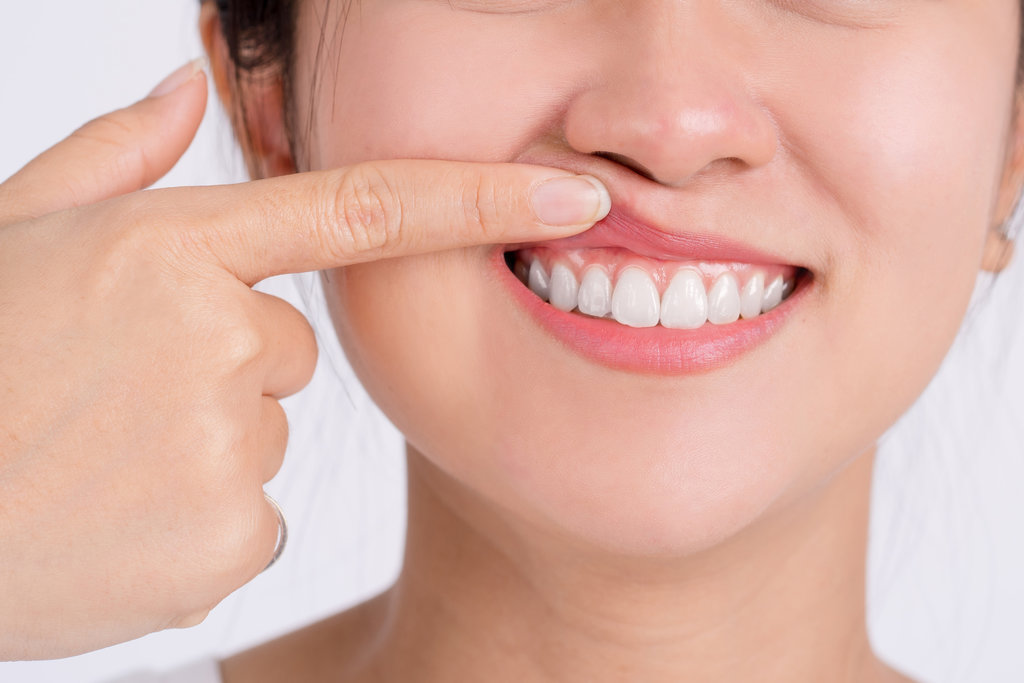

Gum Disease Treatment in Reno, NV
Gum disease is one of the most common chronic conditions in America. According to the Centers for Disease Control and Prevention, 42 percent of adults aged 30 and older have periodontitis, and 8 percent have a severe form. Most people do not realize they have it until their gums bleed regularly or a tooth starts to feel loose. The good news is that early-stage gum disease is fully reversible, and advanced cases can almost always be controlled with the right combination of treatments.
At Elite Dental Aesthetics in Reno, Dr. Travis Adams and our team treat the full spectrum of periodontal disease, from a first sign of inflammation to advanced cases that need surgical repair. Each treatment plan is built around the stage of the disease, your overall health, and the long-term goal of saving your natural teeth.
Stages of Periodontal Disease
Gum disease progresses in two main stages. Gingivitis is the earliest stage. Gums appear red and swollen and may bleed during brushing or flossing. At this point the supporting bone is still intact and the condition is fully reversible with professional cleaning and improved home care. Periodontitis is the advanced stage. Plaque pushes below the gumline and forms pockets that trap more bacteria. The infection begins eating away at the bone supporting the teeth, leading to gum recession, loose teeth, and eventually tooth loss. Periodontitis is not reversible, but with treatment it can be stopped and the remaining bone preserved.

Elite Cosmetic and Aesthetic Dentistry
Achieve the smile of your dreams with advanced aesthetic procedures and meticulous attention to detail.
- Comprehensive cosmetic smile transformations
- Advanced aesthetic procedures including veneers and whitening
- Precision artistry combined with dental expertise
- Customized treatment plans for stunning results
Symptoms and Causes of Gum Disease
Symptoms vary by stage and are often subtle until the disease has progressed. Watch for any of the following:
- Gums that bleed during brushing or flossing
- Persistent bad breath that does not respond to brushing
- Gums that look red, swollen, or have pulled back from the teeth
- Teeth that feel loose or have shifted position
- Pain or pressure when chewing
- New gaps developing between teeth
The most common cause is plaque buildup from inadequate brushing and flossing, but other risk factors play a major role: smoking, diabetes, certain medications, hormonal changes during pregnancy, and a family history of gum disease.
Treatment Options for Gum Disease in Reno
The right treatment depends on how far the disease has progressed. Most patients do not need surgery, as early and moderate cases respond well to non-surgical care.
Professional Cleanings
For gingivitis, a thorough professional cleaning every three or four months (rather than the standard six) is often enough to reverse the inflammation. Our hygienists remove the plaque and tartar that home care cannot reach.
Scaling and Root Planing
Often called a deep cleaning, scaling and root planing addresses early to moderate periodontitis. Tartar is removed from below the gumline, and the tooth roots are smoothed so the gums can reattach. The work is typically done with local anesthesia, split across two visits. Many cases resolve completely after a course of dental scaling followed by tighter cleaning intervals.
Targeted Antibiotics
For pockets that resist cleaning alone, we may place a slow-release antibiotic gel directly into the pocket or prescribe a short course of oral antibiotics. This reduces the bacterial load while the gums heal.
Laser Therapy
Laser-assisted treatment removes infected tissue with minimal cutting and promotes faster healing. We use it for selected cases where it provides a clear advantage over conventional surgery.
Periodontal Surgery
Advanced cases sometimes need flap surgery to access deep pockets, or bone and tissue grafts to rebuild what the disease has destroyed. We will refer to a trusted periodontist when surgery is in the patient’s best interest.
What Gum Disease Treatment Costs in Reno
A deep cleaning (scaling and root planing) in our office runs $250 to $450 per quadrant, depending on the extent of buildup and whether laser therapy is used. Most dental insurance plans cover scaling and root planing when periodontal pockets exceed 4 millimeters, though benefits and copays vary. We verify your benefits in advance and explain any out-of-pocket cost before treatment begins. Maintenance cleanings every three to four months after treatment are typically covered as well.
Gum Disease FAQs
How do I know if I need periodontal treatment?
Common signs include bleeding gums, persistent bad breath, gum recession, or teeth that feel loose. Dr. Adams measures the depth of the pockets between your teeth and gums during a periodontal exam. Pockets deeper than 4 millimeters, along with bleeding on probing, usually indicate that some level of periodontal therapy is needed.
Can gum disease affect my overall health?
Yes. Research has linked untreated periodontitis to heart disease, stroke, poorly controlled diabetes, respiratory infections, and complications during pregnancy. The mouth is a gateway to the rest of the body, and chronic gum inflammation creates a steady source of bacteria and inflammatory markers that can affect organs far from the mouth.
Can advanced gum disease be treated without surgery?
Often, yes. Scaling and root planing, sometimes combined with targeted antibiotics and laser therapy, resolves a large share of moderate to advanced cases. Surgery is reserved for situations where pockets remain deep after non-surgical care or where bone loss requires grafting to stabilize the teeth.
How can I prevent gum disease from coming back?
After active treatment, the most reliable approach is professional cleanings every three or four months rather than every six. At home, brush twice daily with a soft-bristled toothbrush, clean between your teeth with floss or a water flosser, and avoid tobacco. Diabetes control and a balanced diet also support healthy gums.
What are the warning signs of gum disease?
Red, swollen, or tender gums; bleeding when brushing or flossing; bad breath or a bad taste that does not go away; gums that have pulled away from the teeth; loose or shifting teeth; and pain when chewing. Any of these signs warrants a periodontal evaluation, even if you saw a dentist recently.
Does periodontal treatment hurt?
No. Most periodontal treatments are not painful. Local anesthesia is used for deep cleanings and surgical procedures, so the area is fully numb. Mild soreness afterward is normal and usually responds to over-the-counter pain relievers for a day or two.
Will my gum disease come back after treatment?
It can, especially if home care lapses or maintenance visits are skipped. Once gum disease has occurred, your gums are more susceptible to it returning. With consistent cleanings, good home care, and management of risk factors like smoking and diabetes, most patients keep their gums stable for the long term.
How does smoking affect gum disease treatment?
Smoking significantly worsens gum disease and reduces the success of treatment. It restricts blood flow to the gums, slows healing, and masks early signs like bleeding. Patients who quit smoking respond noticeably better to scaling and root planing and have a much lower risk of recurrence.
Schedule a Gum Disease Evaluation at Elite Dental Aesthetics
Gum disease rarely fixes itself. The earlier we catch it, the more options you have, and the better the chances of keeping every one of your natural teeth. Dr. Travis Adams holds advanced credentials in comprehensive restorative care, implant placement, and CAD/CAM dentistry, and our team builds treatment plans designed around long-term oral health rather than quick fixes.
Whether you have noticed bleeding gums recently, are overdue for a cleaning, or were told elsewhere that you need periodontal therapy, we welcome the chance to evaluate where things stand and discuss your options. Reach out through our contact form to book your visit today.