
Your dentist can check far more than your teeth in just a few minutes. A routine exam can include a close look at your lips, tongue, cheeks, and throat, which are all places oral cancer can start, and finding a change early often gives you more treatment options. The check is quick, comfortable, and one of the simplest additions to a regular dental visit.
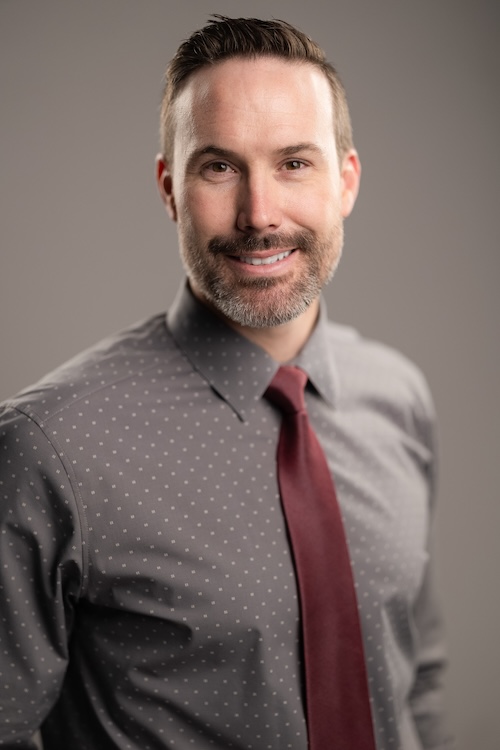
You should not have to wonder whether something in your mouth is worth a second look. At Elite Dental Aesthetics, our Reno team offers oral cancer screenings as part of preventive care, and Dr. Travis Adams takes extra time with each patient to answer questions about the exam results. Here is why early detection matters, what a screening involves, and which changes are worth mentioning between visits.
Why Early Detection Matters
Oral cancer is easier to treat when it is found before it spreads. According to the National Cancer Institute, about 26 percent of oral cavity and pharynx cancers are diagnosed at the localized stage, and people diagnosed at that stage have a five-year relative survival rate of 88.7 percent. Early changes may cause little or no discomfort, which makes a routine exam one of the more reliable ways to notice them.
A five-year relative survival rate compares people with a disease to the general population, so it shows how outcomes look across large groups. It cannot predict one person’s outcome. It does show why catching changes early gives you and your care team more time to act. A quick screening is one simple way to act on that advantage at every checkup.
What Happens During an Oral Cancer Screening
A screening is a visual and hands-on exam that usually takes only a few minutes. We look at your lips, tongue, cheeks, gums, the floor and roof of your mouth, and the back of your throat. Then we gently feel under your jaw and along your neck for lumps or swelling. Because we see your mouth at regular preventive dentistry visits, we can spot small changes more easily over time.
You don’t need to prepare, and the exam shouldn’t hurt. We explain each step as it happens. If we notice something unusual, we may watch the area for a few weeks or recommend further testing. Many changes turn out to be harmless. Screening can often be done during a routine teeth-cleaning visit, so it doesn’t require a separate appointment.
Who Should Pay Closer Attention
Oral cancer can affect anyone, but certain factors can increase your risk. Some are related to lifestyle habits, while others involve age or medical history. Common risk factors include:
- Tobacco use: Smoking cigarettes, cigars, or pipes and using smokeless tobacco can increase your risk of oral cancer.
- Heavy alcohol use: Drinking heavily, especially when combined with tobacco use, raises the risk.
- HPV infection: Certain strains of human papillomavirus (HPV) are linked to cancers that develop in the back of the throat.
- Age and sex: Oral and throat cancers are more commonly diagnosed in adults over 55, and men are diagnosed more often than women.
Even if none of these risk factors apply to you, it’s still important to watch for changes in your mouth. Let Dr. Adams know about any unusual symptoms or concerns during your visit. Knowing your health history can help him decide whether anything needs a closer look.
Changes Worth Mentioning Between Visits
You do not need to examine your mouth every day. A quick look in the mirror now and then helps you notice what is normal for you, and it makes changes easier to describe when you call us. Tell us about a sore that does not heal. Also mention red or white patches and any lump or thickened area.
Numbness in your tongue or lip is worth a call. So are trouble chewing or swallowing, a sore throat or hoarseness that does not go away, and loose teeth or dentures that no longer fit well. Many of these have other causes and turn out to be minor. Checking is the safest way to know. New patients can raise any concerns at their first visit.
Put Your Mind at Ease With a Screening at Elite Dental Aesthetics
Keeping up with regular dental exams gives you an opportunity to catch changes in your oral health before they become more serious. Dr. Travis Adams takes the time to listen to your concerns, answer questions, and check for anything unusual. If you’ve noticed a sore that won’t heal, an unexplained lump, or another change in your mouth, we’re here to help you understand what might be going on.
You don’t have to wait until something feels wrong to schedule a screening. Oral cancer screenings can be included in your routine dental visits, making them a convenient part of your preventive care. Contact our team today to schedule an appointment and learn more about protecting your oral health.